
End hard water — protect your skin, hair, taps & appliances.
White scale on taps, dull hair, dry skin, geysers that die early — all signs of hard water. Umangot Ventures installs softeners that fix it at the source, for the whole home.
Whole-home
Single-point install
Softer
Skin & hair from day one
Longer life
Geysers, taps, machines
Skin & hair
Softer bathing water. Lather properly & rinse clean.
Appliances
No more scale damage. Geysers & machines last longer.
Cleaning
Spotless taps & tiles. Say goodbye to white residue.
What is "hard water," and why does it matter?
Hard water is water with a high level of dissolved calcium and magnesium. You can't always taste it, but you can see and feel its effects everywhere — the chalky white scale on your taps and tiles, soap that won't lather, and skin that feels dry and tight after a bath.
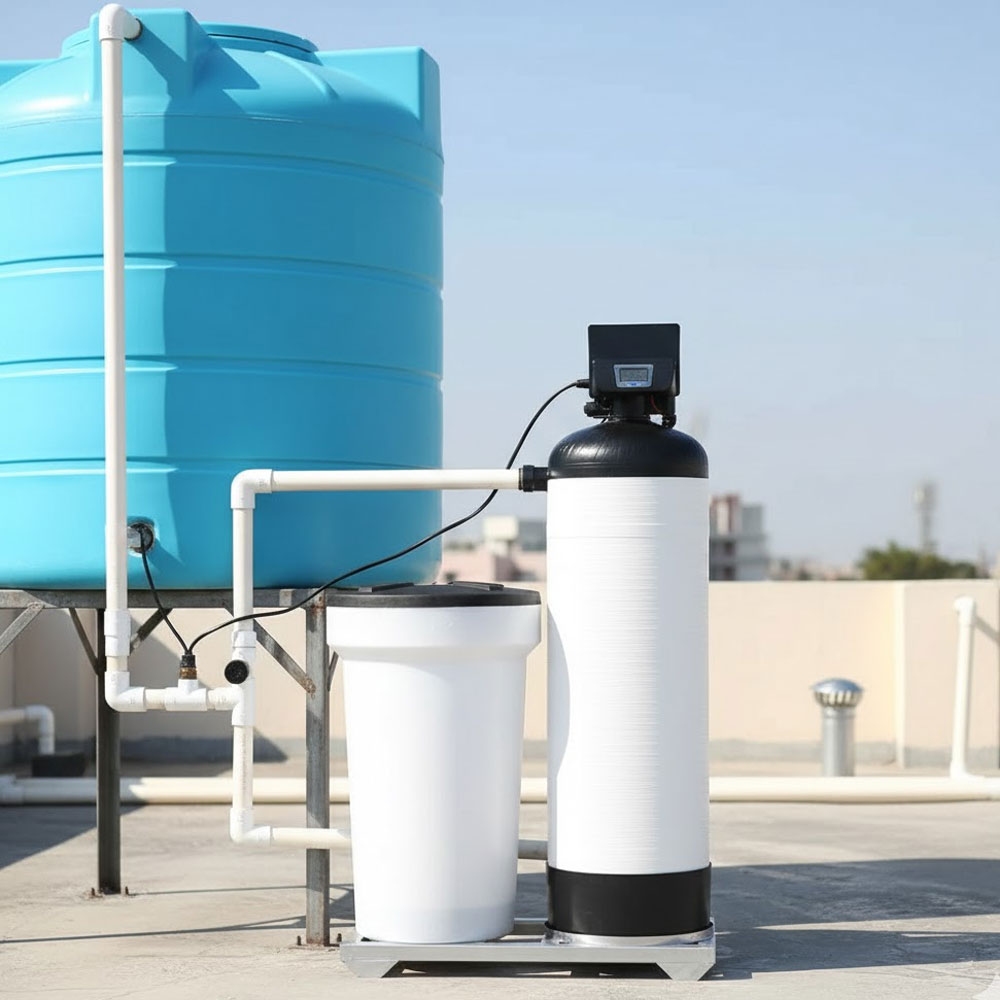
A water softener removes that hardness before the water reaches your taps. It doesn't make water "drinkable" the way a purifier does — it solves a different problem: protecting your body, your fittings and your appliances from mineral damage.
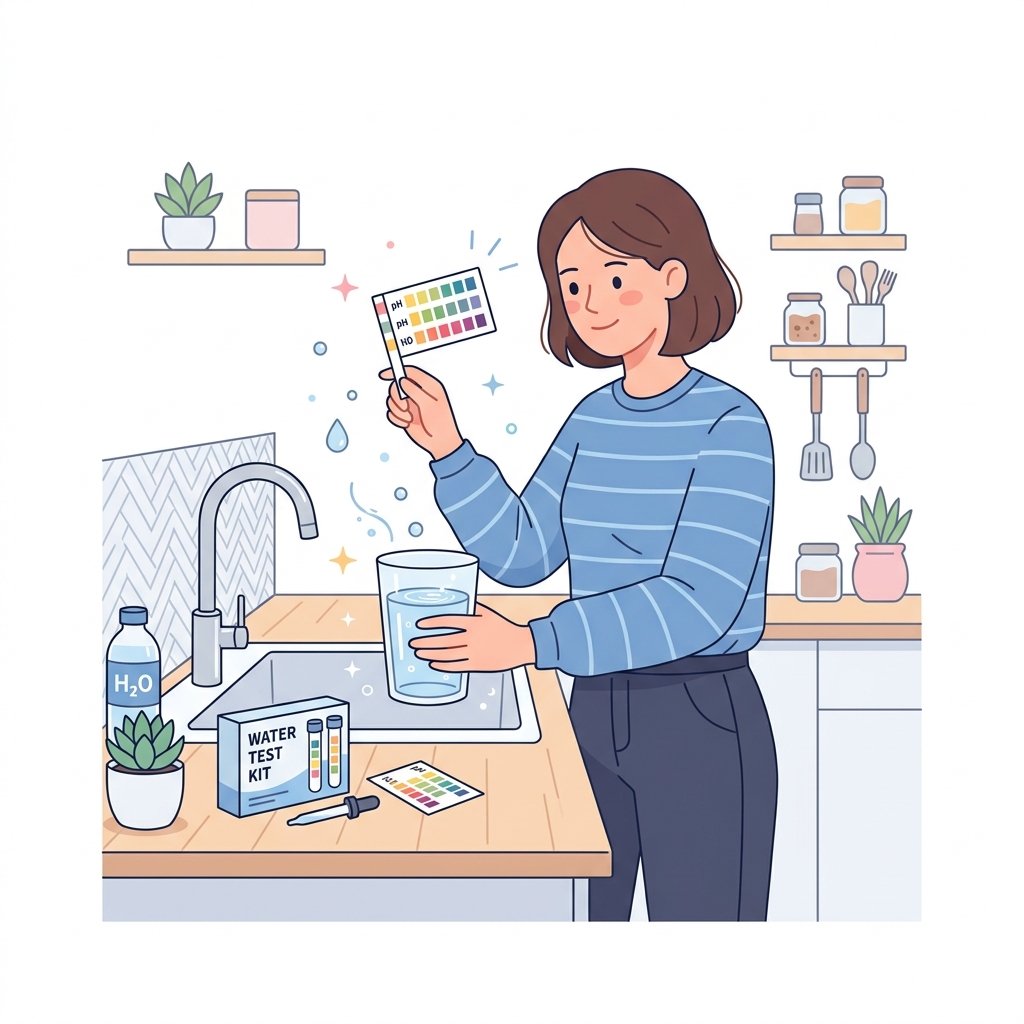
Do you have a hard water problem?
If you're nodding at three or more of these, a softener will make a visible difference.
The science, made simple
Inside the softener is a tank of tiny resin beads. As hard water flows through, the beads swap the "hard" minerals (calcium & magnesium) for "soft" ones (sodium). Periodically the system cleans itself — called regeneration — using a salt solution, so it keeps working for years.
Hard water in
Water enters the resin tank from your main supply
Ion exchange
Resin beads trap calcium & magnesium
Soft water out
Scale-free water flows to your home
Regeneration
A salt rinse cleans the beads so it lasts for years
Softener vs purifier — and which softener?
A common confusion: a softener is not a drinking-water purifier. Softeners fix scale and bathing water for the whole home; purifiers make water safe to drink at one tap. Many homes need both.
Point-of-entry (whole home)
Installed on your main line so every tap, shower and appliance gets soft water. Best for real hard-water homes.
Point-of-use (single outlet)
Compact softener for one geyser, shower or washing machine. A budget-friendly starting point.
Automatic vs manual
Automatic units regenerate on their own schedule; manual units need you to trigger it. We help you pick based on usage.
Sizing by hardness & usage
The right resin capacity depends on your water hardness and household size — we size it so it never runs out mid-cycle.
Softener packages
Indicative ranges — final price depends on capacity, hardness and installation. Enquire for an exact quote.
- Compact & space-saving
- Great starting point
- Softer bathing water
- Professional fitting
- Soft water at every tap
- Protects all appliances
- Sized to your hardness
- Auto-regeneration option
- Free water hardness test
- Scheduled servicing
- Salt/resin top-up
- Performance checks
- Priority support
Alkaline Water System FAQ
Softened water is not recommended for drinking as it contains slightly elevated sodium levels from the ion exchange process and does not remove bacteria or other contaminants. It is designed for washing, bathing, and protecting appliances.
Automatic softeners require a standard power outlet to run the timer and control valve for automatic regeneration. Manual models do not require electricity but must be manually operated periodically.
Maintenance is low. You only need to periodically top up the salt levels in the brine tank (typically once a month, depending on usage). We also offer AMC plans to handle regular checkups and maintenance for you.
Yes, absolutely! Hard water leaves a mineral residue on your skin and hair that strips away natural oils, leading to dryness, irritation, and hair fall. Soft water allows soaps to rinse clean, restoring natural softness to skin and hair.
We perform a free on-site water hardness test and assess your daily water consumption based on household size and appliance usage. This allows us to recommend and size the perfect system for your home.
Stop fighting hard water.
Book a free hardness test and quote. We'll size the right system for your home — nothing more, nothing less.